Cervical and dorsal (thoracic) spine surgery plays a crucial role in the management of conditions that can cause significant pain, neurological deficits, and functional disability. Pathologies such as cervical myelopathy, radiculopathy, spinal trauma, infections, tumors, deformities, and degenerative disorders often threaten spinal cord integrity and neural function.
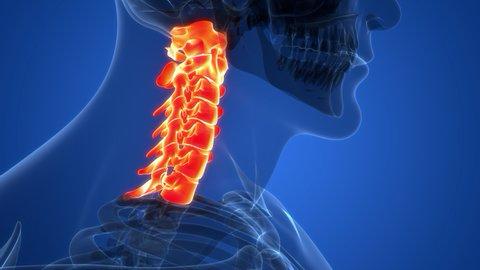
Timely surgical intervention helps decompress neural elements, restore spinal stability, correct deformity, and prevent irreversible neurological damage.
-
Importance of Cervical Spine Surgery
In the cervical spine, surgery is particularly important because of the high risk of spinal cord involvement, which can affect both upper and lower limb function, gait, and sphincter control (urinary and stool problem’s).
-
Approaches to Cervical Spine Surgery
Cervical spine surgery can be performed from the front (ACDF – Anterior Cervical Discectomy and Fusion / ACCF – Anterior Cervical Corpectomy and Fusion) or from the back (Decompression, C1/C2 fusion, OC fusion, Cervical laminectomy, Cervical posterior fusion, Laminoplasty, etc.), depending on the pathology and level of involvement.
-
Role of Dorsal (Thoracic) Spine Surgery
Dorsal spine surgery, though less common, is vital in managing complex conditions like thoracic myelopathy, spinal deformities, and fractures, where delayed treatment may lead to severe disability.
-
Advances in Surgical Techniques
Overall, advances in surgical techniques and instrumentation have improved safety, outcomes, and quality of life for patients requiring cervical and dorsal spine surgery.
-
Role of Intraoperative Neuromonitoring
Use of neuro-monitoring during these surgeries helps surgeons perform optimal management while minimizing the risk of nerve and spinal cord injury.