Spinal pain is a common and disabling condition arising from degenerative, traumatic, inflammatory, or postoperative causes. When conservative treatment such as medications and physiotherapy fails, interventional pain management procedures play a vital role in diagnosis and treatment, offering targeted pain relief with minimal invasiveness.
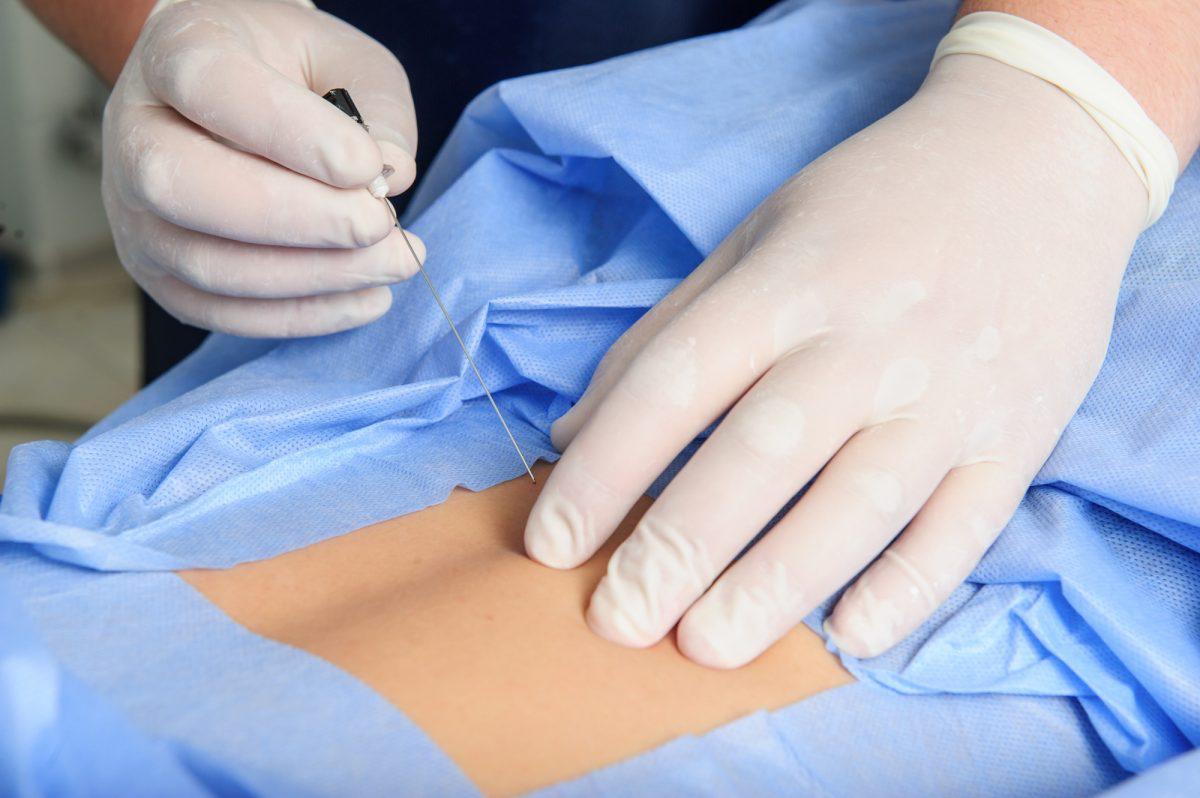
Epidural steroid injections & selective nerve root blocks are among the most commonly used procedures for radicular pain due to disc herniation or spinal stenosis. These injections reduce inflammation around nerve roots and can be administered via interlaminar, transforaminal, or caudal approaches. Selective nerve root blocks are useful both diagnostically and therapeutically in identifying and relieving nerve-related pain.
-
Facet Joint and Medial Branch Procedures
Facet joint–mediated pain is managed with facet joint injections and medial branch blocks. When temporary relief is achieved, radio-frequency ablation of the medial branches can provide longer-lasting pain control by interrupting pain transmission.
-
Sacroiliac Joint Pain Management
Similarly, sacroiliac joint injections are effective for pain originating from the sacroiliac joint, a frequently overlooked source of low back pain.
-
Intradiscal Procedures for Discogenic Pain
For axial discogenic pain, intradiscal procedures such as intradiscal electrothermal therapy (IDET) and regenerative injections are used in selected cases.
-
Vertebral Augmentation Procedures
Vertebral augmentation procedures, including vertebroplasty and kyphoplasty, are effective in managing painful osteoporotic or pathological vertebral compression fractures.
-
Neuromodulation for Chronic and Refractory Pain
In patients with chronic, refractory pain or failed back surgery syndrome, neuromodulation techniques such as spinal cord stimulation and intrathecal drug delivery systems offer advanced pain control by modulating pain pathways.
Overall, spine pain management procedures provide effective, minimally invasive options that reduce pain, improve function, and enhance quality of life while often delaying or avoiding the need for major surgery.