1. Definition
- Spinal infection involves infection of the vertebrae, intervertebral discs, epidural space, or paraspinal tissues.
2. Common Types
- Spondylodiscitis
- Vertebral osteomyelitis
- Epidural abscess
- Tuberculous spine (Pott’s disease)
3. Etiology
- Bacterial infection (commonly Staphylococcus aureus)
- Tuberculosis (especially in endemic regions)
- Fungal infections in immunocompromised patients
4. Risk Factors
- Diabetes mellitus
- Immunosuppression and malignancy
- Intravenous drug use
- Recent spinal surgery or invasive procedures
5. Clinical Features
- Persistent back or neck pain
- Fever and constitutional symptoms
- Local tenderness and restricted movements
- Neurological deficits in advanced cases
6. Diagnosis
- Raised inflammatory markers (ESR, CRP)
- Blood cultures
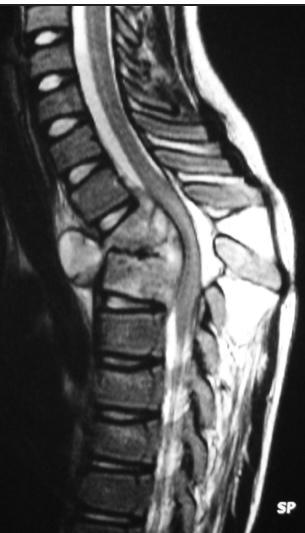
- MRI spine (gold standard)
- CT-guided biopsy for organism identification
7. Management
- Prolonged targeted antibiotic or antitubercular therapy
- Bed rest and spinal immobilization
- Nutritional support and control of comorbidities
8. Surgical Indications
- Neurological deterioration
- Spinal instability or deformity
- Abscess causing neural compression
- Failure of conservative treatment
9. Outcome
- Early diagnosis and appropriate treatment lead to good outcomes
- Delay may result in deformity, neurological deficit, or chronic pain